Alienum phaedrum torquatos nec eu, vis detraxit periculis ex, nihil expetendis in mei. Mei an pericula euripidis, hinc partem.

Multicultural Books for kids Tag

There's no better feeling than seeing a reluctant reader (or any reader for that fact!) deeply immersed in the adventure-filled pages of a chapter book. Books take a reader to places they can only dream about; places where they could find new friends, learn new cultures, and "see" themselves within the pages.  Introducing children to chapter...

Hard to believe it's approaching nearly 30 days since the mind-blowing awesome MCBD 2019 (1/25/19) celebration and we can promise all of you that we are still recovering! The MCBD team was touched and elevated by the overwhelming support and enthusiasm surrounding our diverse children’s literature online celebration. In the days following the crescendo of the...

Guest post from the co-founder of Globe Smart Kids, Anne Glick

No better way to start a new year than with Multicultural Children’s Book Day right around the corner! Excited to be a returning author sponsor with 10 diverse friendship stories, all bundled in a virtual library: One Globe Kids

Stories about relatable others lay a foundation for exploration

The idea for One Globe Kids was born one afternoon while I read the children’s book Joyce’s Day to my then 3-year-old son in our apartment in New York City. The book was printed in South Africa in 1974 and given to me as a newborn present by my Aunt Joan in 1975. Its photos and simple text made Joyce’s day in South Africa relatable to me, a young, white girl living in small-town Illinois.

From beginning foreign language study in middle school to studying and working abroad, I strongly feel that my preparation for life in a diverse globalized world can be traced back to the simple curiosity I had for Joyce and her family.

I went looking for more “Joyce-like” books for my son Sebastian and found several beautiful, but basic, mostly illustrated, books about children in other countries. I did not find the personal, intimate, rounded stories that would make these children more familiar than foreign for him. And thus began my journey to make the international story series that I want to share with my kids, Sebastian and his two brothers, Willem and Josef.

Raising Race Conscious Children’s favorite children’s books…and what we say when we read them

by Sachi Feris and Lori Riddick

At Raising Race Conscious Children, people often ask us what exact words to use to talk about a variety of subjects around race and other identity-markers. We have created this post for Multicultural Children’s Book Day, sharing some of our favorite book titles along with the words we use when we read. That said, there is no one “right” thing to say. What we say will differ based on our children’s racial identities and interests—but we love to inspire adults to practice “the words they use” through the world of children’s literature. When we read a book dozens of times to a child, we can try on different words and engage in the practice of race consciousness.

Race Consciousness Book Picks

What we say when we read:

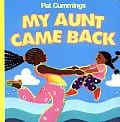
“I love how her aunt always has her hair in braids which is a really important part of our culture as Black people. I think she looks beautiful. And it reminds me how beautiful you look when you wear your hair in braids. I love how when the aunt goes to learn about another country and culture, she always brings something back for the little girl…but she also always keeps her hair in braids. I really like that she is proud of who she is and always remembers who she is because she keeps her hair in braids.”

-Lori

{Guest Post by Author Sonia Panigrahy}

On a Saturday afternoon, I found myself rushing through Manhattan in preparation for a trip to Chicago to visit my best friend. I was searching for a gift for her five-year-old daughter. I opened the doors to a lovely two-storied children’s bookstore. I skimmed the shelves and struggled to find a book with a main female character that was not a princess. Seeking the help of an employee, I request a girl’s adventure book. She pulled out a book and described the plot, prompting me to purchase the book without having the time to read it. I figured the little girl and I would read it for the first time together in Chicago.

We were in our pajamas in Chicago on the sofa as I cracked open this new adventure story. The main character has a dream where an adventure awaits her. I turn the pages to find that the adventure involves the main female character cleaning and cooking. What struck me in a very painful way was that no adventure book for boys would include cleaning and cooking. Why is it that children’s books are delineated into boys’ vs. girls’ stories that restrict what they can and cannot become? Why don’t books have storylines where pronouns can be interchangeable so that kids can just be kids?