Alienum phaedrum torquatos nec eu, vis detraxit periculis ex, nihil expetendis in mei. Mei an pericula euripidis, hinc partem.

Language Lizard Tag

{Guest Post by Language Lizard}

It is well known that children with autism spectrum disorder (ASD) can experience significant social, behavioral, and communication challenges resulting from their developmental disability. For example, identifying figurative languages like metaphors and idioms is very challenging.

While some researchers believe this difficulty results from compromised core language skills (ie. semantics, grammar), the majority attribute a compromised Theory of Mind to be the main cause. In plain terms, children with ASD need more help recognizing the mental states, unique beliefs, and desires of other people. Since figurative language is all about what isn’t being said, you can see how tricky it is to navigate not only social interactions but also literature. 

{Guest post from Language Lizard}

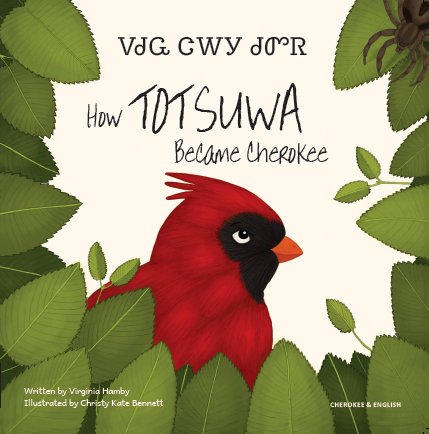
Cherokee, a member of the Iroquoian language family, is spoken by the indigenous, Cherokee Nation of North America. Originating from the southeast region of North America, the most significant Cherokee-speaking population now lives in a tribal territory in Oklahoma. About 2,000 people still speak Cherokee today.  

Cherokee Language Preservation

As we return to the classroom, Language Lizard takes a look at where we have been in order to understand how we can support bilingual students right now. Today, we will share how you can prepare your classroom for bilingual students and reimagine their education beyond modern crises. 

{Guest Post by Language Lizard}


Have you ever walked through a park and thought, “Wow! This reminds me of a book I read when I was a kid!” but you can’t be sure which one? With a StoryWalk®, you don’t have to rely on nostalgia because the book joins you on your stroll. You can even expose yourself to a new language with a Multilingual StoryWalk®.

Guest post from Language Lizard

World Folktale Stories from Language Lizard

Historically, fables often feature talking animals in a short story format that teaches a simple lesson. The most well-known creator of fables is Aesop, a Greek slave believed to have lived around 560 BC. Some of his most popular fables are “The Tortoise and the Hare,”  “The Goose that Laid the Golden Egg,” and “The Lion and the Mouse.” There are also more modern-day fables, like Dr. Seuss‘s The Lorax.