Alienum phaedrum torquatos nec eu, vis detraxit periculis ex, nihil expetendis in mei. Mei an pericula euripidis, hinc partem.

Guest Posts

{Guest Post by Language Lizard}

It is well known that children with autism spectrum disorder (ASD) can experience significant social, behavioral, and communication challenges resulting from their developmental disability. For example, identifying figurative languages like metaphors and idioms is very challenging.

While some researchers believe this difficulty results from compromised core language skills (ie. semantics, grammar), the majority attribute a compromised Theory of Mind to be the main cause. In plain terms, children with ASD need more help recognizing the mental states, unique beliefs, and desires of other people. Since figurative language is all about what isn’t being said, you can see how tricky it is to navigate not only social interactions but also literature. 

{Guest post from Language Lizard}

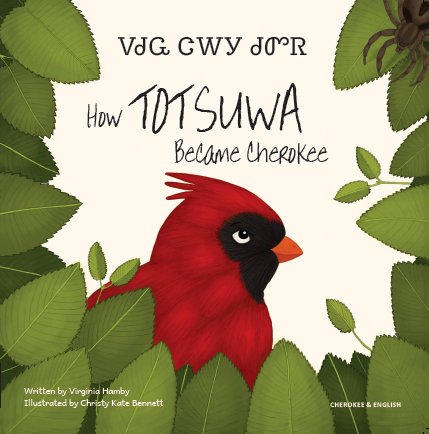
Cherokee, a member of the Iroquoian language family, is spoken by the indigenous, Cherokee Nation of North America. Originating from the southeast region of North America, the most significant Cherokee-speaking population now lives in a tribal territory in Oklahoma. About 2,000 people still speak Cherokee today.  

Cherokee Language Preservation

{Guest post from Chana Stiefel}

I recently saw a question posed by Multicultural Children’s Book Day that I felt needed a thoughtful response from me.

The question was, “What book-related topics/concerns are you seeing discussed? Where do you feel there are “gaps” in representation when it comes to multicultural books for kids?”

First, I want to say a heartfelt “thank you” to the MCBD team and all of the hard work they are doing to spread the word about diversity in children’s books. When I saw their request for feedback about underrepresented groups, the first thought that came to mind was that I would love to see more Jewish books and Jewish authors and illustrators included in this important conversation.

Guest post by Lisa Wee

No matter which part of the world you’re from, you’d have been told how to behave like a boy or a girl from a very young age.

At the age of 5, I got my first dungaree. I wore it whenever I could because of the sense of comfort and freedom it gave me. It gave me the opportunity to track through mud, run, and climb trees with my brothers.

Then a new world started to appear around me. “Don’t be so tomboy, Lisa.” As a 5-year-old, I didn’t understand the word but I could sense the disapproval that went with it in the odd looks exchanged between the adults.

Guest Post by author C.Nichole

Growing up, we were taught about the Transatlantic Slave Trade. The history textbooks made it, and still make it seem, as Americans of African descent only have a history that starts at slavery. And then after that, it teaches about all the struggles through Jim Crow, civil rights movements, etc. but never about the people as a whole, no cultural references. I am an American of African descent. As a child, I can’t recall knowing that people of African descent were in North and South America anywhere other than the United States, Canada, and the Caribbean. I didn’t know until about my mid 20’s that the term “African Diaspora” even existed, which is people of African descent that don’t live on or weren’t born on the African continent.