Alienum phaedrum torquatos nec eu, vis detraxit periculis ex, nihil expetendis in mei. Mei an pericula euripidis, hinc partem.

Blog

3 Easy Activities to Promote Cultural Diversity in the Classroom  Guest post by Language Lizard As students head back to school, it’s essential for them to feel welcomed, acknowledged, and safe in their classrooms. With U.S. schools continuing to change to reflect our country’s increasing cultural diversity, students must learn cultural respect and inclusion. Here are three...
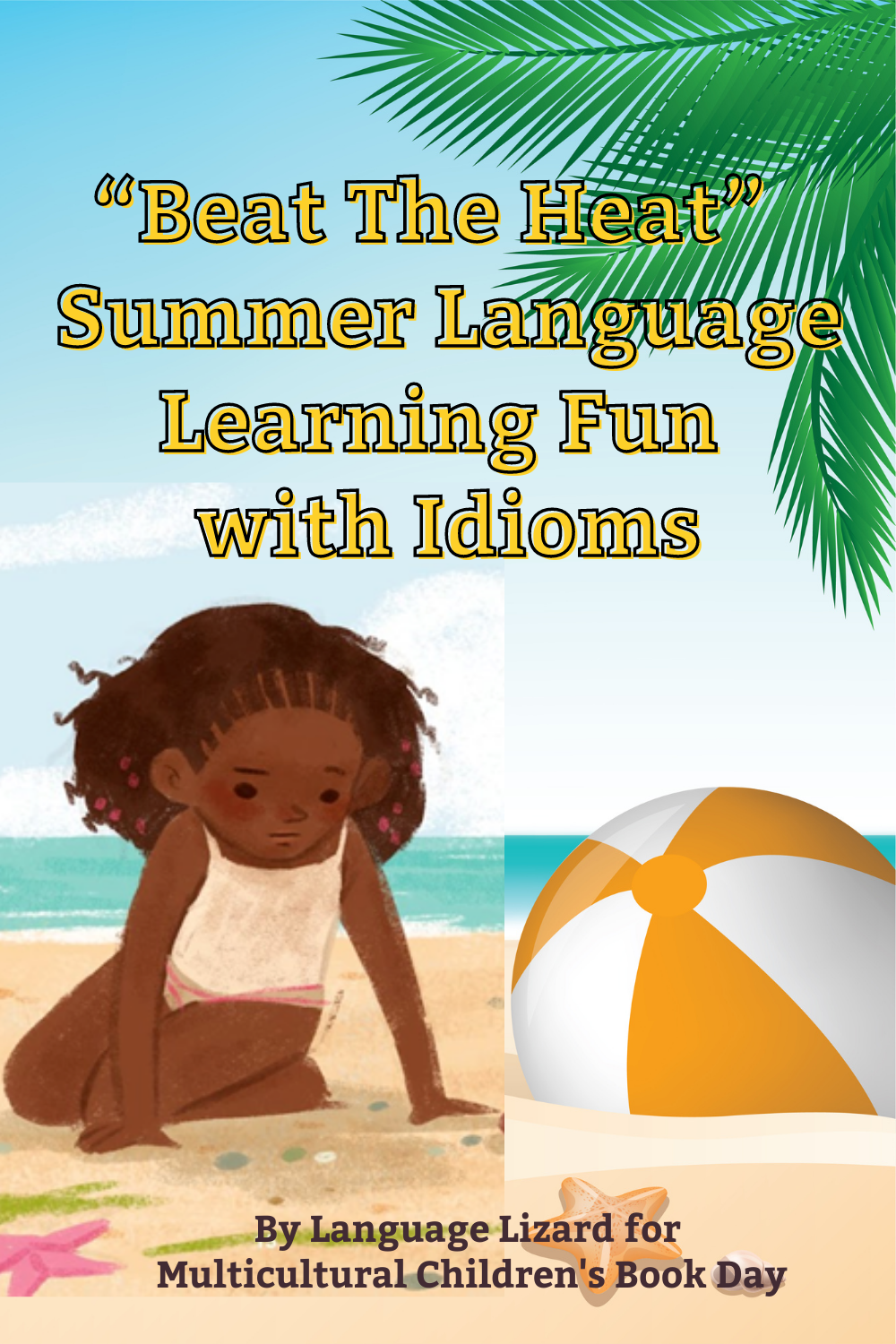
International Day of Friendship – 6 Fun and Easy Ways to Celebrate

Guest post by Language Lizard

What is International Day of Friendship?

International Day of Friendship, also known as World Friendship Day, was created by the United Nations in 2011 “with the idea that friendship between peoples, countries, cultures, and individuals can inspire peace efforts and build bridges between communities.”  Held annually on July 30th, the International Day of Friendship encourages involving “…young people, as future leaders, in community activities that include different cultures and promote international understanding and respect for diversity.”

We are thrilled to feature Language Lizard on MCBD, and we appreciate their continued sponsorship as platinum sponsors.” – Multicultural Children’s Book Day Team 

Who is Language Lizard?  Besides being a long-time sponsor of Multicultural Children’s Book Day, Language Lizard provides educators, librarians, and parents with resources that develop literacy skills among language learners, build inclusive classrooms, and celebrate cultural diversity.

Language Lizard offers bilingual books and audio resources in 60+ languages, multicultural book sets, posters, and other culturally responsive teaching resources for diverse classrooms. Educators may download free multicultural lesson plans at LanguageLizard.com/LessonPlans.htm.  In addition, the company’s blog and free newsletter provide valuable information and special offers to educators and parents working with diverse children (sign up at LanguageLizard.com/Newsletter).

The company is running a giveaway of bilingual and multicultural books to newsletter subscribers and has already given away thousands of dollars worth of bilingual books. Anyone interested in supporting multiculturalism can enter their current giveaway at LanguageLizard.com/Win-Bilingual-Books.

Multicultural Children’s Book Day is excited to partner with Reading Rockets about the upcoming We Are Water Protectors event with our Co-Creator and President, Mia Wenjen, for Multicultural Children’s Book Club. It’s free and virtual!

Reading Rockets is a national public media literacy initiative offering information and resources on how young kids learn to read, why so many struggle, and how caring adults can help.

In celebration of World Nature Conservation Day (July 28) and National Clean Beaches Week (July 1-7), the online Multicultural Children’s Book Club meeting will take place on July 7th at 7:00 pm EST.

A Native American speaker from the Water Protector Legal Collective will be a featured guest in addition to Carole Lindstrom, author of We Are Water Protectors – as they discuss how we can protect our environment, especially our water.

As our tenth Multicultural Children’s Book Day holiday approaches on Thursday, January 26, 2023, we are thrilled to have you as part of our amazing community of supporters! With enthusiasm, optimism, and hope, we are preparing for MCBD 2023 and hope you will once again join our celebration of diversity through children’s books.

During last year’s Twitter party a topic that came up often was children’s mental health as a result (or as a side effect) of the pandemic.  This includes but is not limited to anxiety, depression, social isolation, sadness, pandemic fatigue, and mindfulness techniques: in other words, “surviving Covid-19.” We read your Twitter posts and your requests for mental health resources for kids. We listened, and now we’re happy to share with you this year’s classroom kit: Mental Health Support for Stressful Times.  

In this classroom kit, you’ll find resources on 

Guest post by Afsaneh Moradian


Our story 

About two years ago, my child informed us that they are nonbinary. That they don’t identify as either boy or girl and that their pronouns are now they/them.  Of course, this was fine with me. But, it did take a lot of work to stop using she/her in reference to my child. I’d been doing that for so many years, I was on autopilot. I tried and made a lot of mistakes in the beginning. Then I saw my child’s face when someone called them she. My child cringed and felt so uncomfortable.