Alienum phaedrum torquatos nec eu, vis detraxit periculis ex, nihil expetendis in mei. Mei an pericula euripidis, hinc partem.

Author: RYW Project Manager

{Guest Post by Kalaniot Books}

The Melody by Oded Burla and illustrated by Assaf Benharroch (3/8/22; ISBN: 978-1-7350875-5-9; Hardcover $19.99; Ages 3-8; 32 pages)

In this charming story, a mother sings a special melody to her child. So too, each Jew is meant to teach Torah to the next generation, keeping its melodies alive. In this way, the song is eternal. The Melody by Oded Burla and illustrated by Assaf Benharroch (3/8/22; ISBN: 978-1-7350875-5-9; Hardcover $19.99; Ages 3-8; 32 pages) invites us all to sing along.

Getting to Know Our Neighbors

By Elizabeth Andrews, author of the Our Neighbors series from ABDO’s Pop! division

{Guest post by ABDO}

Wherever people walk in America, they will pass others from all different backgrounds. This blend of people is also apparent in an American classroom. No one looks exactly the same. No one has the same family story. 

When I started writing the Our Neighbors series for ABDO’s Pop! division, I knew I wanted to get to know each culture’s day-to-day life before writing. I was learning about Somali, Indian, Chinese, Lebanese, Brazilian, and Mexican Americans. Blogs, news articles, and YouTube videos let me dive into each specific culture.

{Guest Post by Language Lizard}

It is well known that children with autism spectrum disorder (ASD) can experience significant social, behavioral, and communication challenges resulting from their developmental disability. For example, identifying figurative languages like metaphors and idioms is very challenging.

While some researchers believe this difficulty results from compromised core language skills (ie. semantics, grammar), the majority attribute a compromised Theory of Mind to be the main cause. In plain terms, children with ASD need more help recognizing the mental states, unique beliefs, and desires of other people. Since figurative language is all about what isn’t being said, you can see how tricky it is to navigate not only social interactions but also literature. 

{Guest post from Language Lizard}

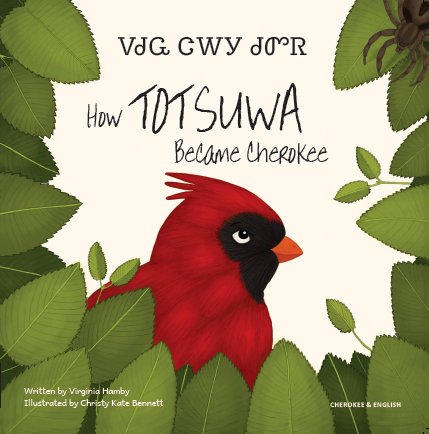
Cherokee, a member of the Iroquoian language family, is spoken by the indigenous, Cherokee Nation of North America. Originating from the southeast region of North America, the most significant Cherokee-speaking population now lives in a tribal territory in Oklahoma. About 2,000 people still speak Cherokee today.  

Cherokee Language Preservation